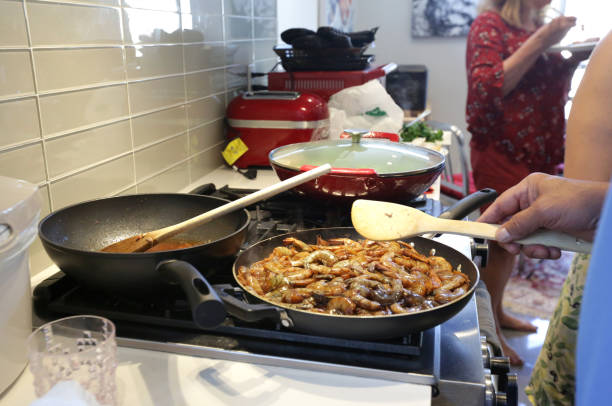
We’ve all been there—scrolling through food delivery apps, drooling over a cheesy pizza or a plate of sizzling chicken biryani, thinking, “Why not just order tonight?” It’s convenient, it’s fast, and honestly, it feels like a little treat. But here’s the catch: if you do that too often, your wallet starts feeling lighter in ways you might not even notice. Cooking at home might seem like a chore at first, but if you think about it, it’s one of the smartest ways to save money—without sacrificing taste.
The Cost of Convenience
Let’s start with a simple comparison. Imagine you spend ₹500 on a single meal from a restaurant or food delivery. It seems small in the moment, but do the math: if you do this three times a week, that’s ₹1,500. Over a month, that’s ₹6,000. And in a year? Brace yourself—₹72,000. That’s not a small number for most people.
Now, let’s say you cook that same meal at home. A similar meal made in your kitchen might cost only ₹150–₹200 in ingredients. You’ll spend a little more time chopping vegetables, simmering sauces, or flipping a steak, but suddenly, your weekly cost drops to ₹450–₹600. That’s a huge difference! Even if you occasionally splurge on takeout, cooking at home regularly can save thousands over a year.
Buying Ingredients in Bulk
One of the smartest ways home cooking saves money is buying in bulk. Think rice, lentils, flour, oil, or even frozen vegetables. A 5 kg bag of rice might last a month or more, whereas ordering rice-based dishes outside means paying for that convenience repeatedly. Same with staples like spices and oils—they last a long time and can flavor dozens of dishes.
It’s like this: you invest once, and the returns keep coming. Sure, you need a little planning and storage space, but your future self—and your bank account—will thank you.
The Hidden Costs of Eating Out
We often forget about the sneaky extra costs of eating out. Delivery fees, service charges, tips, and taxes can easily add 15–20% to your bill. Suddenly that ₹500 meal becomes ₹600 or more. Then there’s the temptation to order extra sides or desserts because, hey, it’s already “a treat.” Multiply that by weeks or months, and the numbers get scary.
Cooking at home eliminates most of these hidden costs. You control portion sizes, ingredients, and how much you spend. Want a little dessert? Make it at home—it’s cheaper and often healthier.
Health and Money Go Hand in Hand
Here’s a bonus: cooking at home isn’t just cheaper—it can actually save you money on healthcare in the long run. Restaurant meals, especially fast food, tend to be high in sodium, sugar, and unhealthy fats. Regular consumption can lead to weight gain, high blood pressure, or other health issues. Treating these health problems later? That costs a lot more than cooking a few meals at home each week.
When you cook, you control the ingredients. Swap butter for olive oil, reduce salt, add more veggies. You’re not just saving money at the checkout—you’re potentially saving thousands in medical bills down the line.
Leftovers Are a Goldmine
One of the underestimated perks of cooking at home is leftovers. You cook a larger batch than needed? No problem. That extra portion becomes lunch the next day. You can even freeze meals for later, cutting down the need to order takeout when you’re too tired to cook.
Think about it: a single pot of homemade dal or curry can provide 3–4 meals. Ordering the same thing from outside 3–4 times would cost way more. It’s efficiency and savings wrapped in one.
Learning and Creativity
Cooking at home isn’t just about the money—it’s also about learning skills that pay off indirectly. Once you start experimenting, you’ll find ways to stretch ingredients, repurpose leftovers, and even discover new favorite recipes. You might realize that with a few simple tweaks, you can make restaurant-level meals at home for a fraction of the cost.
Even better, involving family or friends can turn cooking into a fun, social activity. It’s cheaper than going out for a night, and you still get the joy of sharing good food.
Small Changes Add Up
You don’t have to cook every single meal to save money. Start small—maybe three meals a week at home. Prep your lunch instead of buying from a café. Make your own snacks instead of grabbing chips or bakery items. Over time, these small changes stack up.
Also, planning ahead helps. Make a weekly meal plan, check what’s already in your pantry, and buy only what you need. This prevents food waste, which is another hidden money drain. Spoiled veggies, expired dairy, forgotten leftovers—they all add up. Cooking at home encourages mindfulness with food, which saves both money and resources.
The Psychological Boost
Believe it or not, cooking at home can actually make you feel richer. There’s a sense of accomplishment when you whip up a meal, sit down, and realize you’ve fed yourself (or your family) for a fraction of the cost it would’ve been outside. That psychological satisfaction is underrated but real. You feel in control, capable, and smart about your finances.
Conclusion
Yes, cooking at home requires effort, planning, and maybe a few kitchen mishaps along the way. But when you look at the numbers, it’s hard to argue against the savings. From cutting unnecessary fees and markups to reducing waste and even potentially lowering health costs, home-cooked meals are a powerful tool for financial mindfulness.
So next time you’re tempted to order that convenience meal, pause for a second. Open your pantry, fire up the stove, and remind yourself: you’re not just cooking—you’re investing in your wallet, your health, and your future. Over time, your bank account (and taste buds) will thank you.