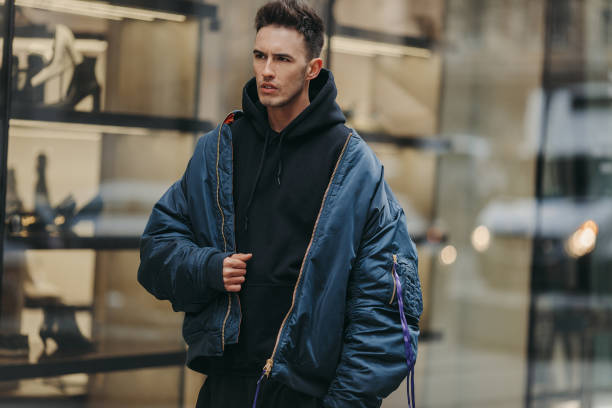
Streetwear didn’t start in fancy fashion houses or on luxury runways. It started in the streets, with skateboarders, hip-hop artists, and punks creating styles that reflected their lifestyles. Think baggy jeans, hoodies, and graphic tees – not because anyone told them to wear it, but because it made sense for their lives and communities. This was fashion with a purpose, born out of expression rather than commercial intent.
In the late 1970s and 1980s, brands like Stüssy and Supreme began turning this self-expression into something more widely recognized. A t-shirt with a logo wasn’t just clothing; it was a statement, a way of saying, “I belong here, I get it.” It felt personal, even rebellious. And maybe that’s why it caught on so fast – it wasn’t about following trends; it was about creating your own.
Skateboards, Hip-Hop, and Identity
The influence of skate culture and hip-hop on streetwear cannot be overstated. Skateboarders needed clothes that were practical yet stylish – loose enough to move, tough enough to survive falls, and cool enough to stand out at the park. Brands like Volcom and Element became synonymous with that lifestyle.
Meanwhile, hip-hop was exploding from the Bronx and spreading worldwide. Artists weren’t just making music; they were creating entire lifestyles, influencing how millions dressed. Baggy pants, oversized jackets, and sneakers weren’t just trends—they were symbols of culture, status, and belonging. Streetwear became the visual language of youth, a shared vocabulary you could read without words.
Sneaker Culture: The Gateway Drug
You can’t talk about streetwear without talking about sneakers. Sneaker culture is like the heartbeat of streetwear, and it’s serious business. People camp out for hours to get the newest Nike Air Jordans or limited-edition Adidas Yeezys. It’s not just about shoes; it’s about exclusivity, hype, and community. Wearing a certain sneaker tells the world where you stand culturally, socially, and sometimes economically.
Sneakers bridged the gap between underground streetwear and mainstream fashion. Collaborations between luxury brands and streetwear brands—like Louis Vuitton x Supreme—showed the world that what was once considered rebellious could also be aspirational. Suddenly, streetwear wasn’t just about skating or rapping; it was about making a statement everywhere you went.
Social Media and the Global Explosion
Before Instagram, streetwear spread mostly through word of mouth, skate parks, music videos, and local shops. Now, it’s instantaneous. A single post from an influencer or a celebrity can make a small streetwear brand explode overnight. Brands like Off-White and A Bathing Ape (BAPE) became global sensations because social media allowed fans from Tokyo to Toronto to engage with the culture in real-time.
Streetwear thrives on scarcity and hype, and social media is perfect for that. Drops are announced, countdowns begin, and fans scramble to cop the newest item. The excitement isn’t just about the product; it’s about being part of a moment, a global conversation. And this is how streetwear became a universal language – you don’t need to speak the same language to recognize the codes, logos, and styles.
Luxury Meets the Streets
One of the most fascinating evolutions of streetwear is how it merged with luxury fashion. Designers who once dismissed hoodies and sneakers now incorporate them into high-end collections. Virgil Abloh, the late founder of Off-White, is a perfect example. He bridged street culture and luxury in a way that made everyone—from teenagers to fashion editors—take notice.
Luxury brands realized that youth culture drives trends, and streetwear is the purest expression of that. When Balenciaga or Gucci release oversized hoodies or dad sneakers, they’re not just selling clothing; they’re selling a lifestyle that originated from the streets. This cross-pollination has made streetwear not just acceptable but aspirational worldwide.
The Democratization of Fashion
Streetwear’s biggest contribution to global fashion might be its accessibility. You don’t need a runway ticket or a fashion degree to engage with it. Anyone can wear a tee, hoodie, or pair of sneakers and instantly be part of the culture. This democratization broke down barriers in an industry that was traditionally exclusive and elitist.
It’s also why streetwear continues to evolve. Micro-brands, indie designers, and even DIY creators can gain traction because the culture values authenticity over pedigree. If your design resonates, people notice. It’s meritocratic in a way traditional fashion often isn’t, and that’s incredibly powerful.
Streetwear as a Cultural Mirror
What makes streetwear more than just clothing is how it reflects society. It mirrors politics, music, sports, and art. A t-shirt with a bold graphic isn’t just style—it can be commentary. Streetwear has always been about identity, resistance, and belonging. Its global popularity shows that people everywhere crave ways to express themselves that feel real, not manufactured.
It’s a culture that started in small communities and now speaks to millions worldwide. From Tokyo’s Harajuku streets to New York’s SoHo, the language of streetwear is understood without translation. Logos, silhouettes, and sneaker drops have become universal symbols of youth, culture, and creativity.
Conclusion: More Than a Trend
Streetwear is no longer just a trend—it’s a global fashion language. It started as self-expression in local communities and grew into a worldwide phenomenon, blending practicality, culture, and aspiration. Its rise proves that authenticity resonates, exclusivity excites, and creativity can cross borders faster than ever before.
In the end, streetwear is proof that fashion isn’t just about clothing; it’s about stories, identity, and culture. And as long as people want to express themselves, the streets will continue to speak to the world.