So here’s a thing that happened to a friend of mine
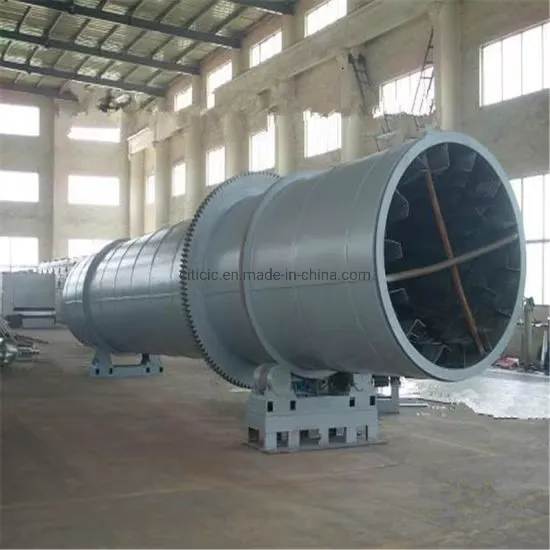
He runs a small ceramics manufacturing unit — not massive, just a mid-sized setup. Last year, around October, his rotary kiln started making this weird grinding sound. Nothing dramatic, just a low hum that was slightly off. He ignored it for about three weeks because “it wasn’t affecting output.” By the time someone actually looked into it, the damage had cracked into the riding rings and the shell alignment was completely off. Repair bill? Absolutely brutal. And honestly, the whole thing could’ve been caught way earlier with a proper kiln inspection service.
That story stuck with me because it’s not rare. It’s actually really common in industrial setups where people treat maintenance as something you do after things break, not before.
Why kilns specifically get overlooked
There’s this assumption with heavy industrial equipment — if it’s still running, it’s fine. And kilns kind of feed into that mindset because they’re built tough. Rotary kilns especially, they’re these massive, slow-moving things that seem almost indestructible. But that’s exactly why they’re tricky. The wear happens gradually, quietly, over months. A small misalignment today becomes a catastrophic shell deformation six months from now.
I’ve seen people in manufacturing forums online — LinkedIn groups, even some Reddit communities focused on cement and lime production — complain about surprise downtime that wiped out their quarterly targets. Almost every single time, someone in the comments points out “you needed scheduled inspections, man.” The internet has basically reached consensus on this.
The actual cost math (and it’s uncomfortable)
Here’s a thing most people don’t really sit with: unplanned downtime in a kiln operation can cost anywhere from a few thousand to several lakh rupees per day depending on the size of the operation. I don’t have a single universal stat for this because it varies wildly by industry — cement plants, paper mills, chemical processing — but the general rule is that reactive maintenance costs about 3 to 10 times more than preventive maintenance. That ratio has been cited in maintenance engineering literature for decades.
So when someone says “we can’t afford regular inspections,” the math is literally working against them.
And it’s not just the repair cost either. There’s the lost production time, the emergency sourcing of parts (which are always more expensive when urgent), the labour overtime, and in some cases regulatory issues if a piece of equipment fails in a way that creates a safety hazard.
What a proper inspection actually covers
I think a lot of people imagine a “kiln inspection” as someone walking around with a clipboard, glancing at things, and ticking boxes. It’s really not that. A thorough inspection digs into shell ovality and hot spots, tyre and riding ring wear, gear and pinion alignment, refractory condition, and the thrust behavior of the kiln. These aren’t just visual checks — they involve measurements, thermal scanning, and sometimes laser alignment tools.
The tricky part is that some of this requires the kiln to be running during inspection, which not everyone realizes. Shell scanning for hot spots, for instance, is done while the kiln is operational because that’s when thermal anomalies actually show up. You can’t catch all of it in a cold shutdown inspection.
Frequency — there’s no one-size answer
Someone once asked me how often kilns should be inspected and I gave a completely wrong answer. I said “twice a year” like it was universal. It’s not. The right frequency depends on the type of kiln, the material being processed, the operating hours, and the age of the equipment. A cement kiln running 24/7 in a hot climate has different inspection needs than a lime kiln doing two shifts in a moderate environment.
That said, most engineers will tell you that at minimum, a detailed inspection once every 12 to 18 months is the floor, not the ceiling. Some high-criticality operations do quarterly checks on specific components.
Why the “we have internal people” argument doesn’t always hold
Look, I’m not saying in-house maintenance teams aren’t good. Some of them are excellent. But there’s a bias problem — internal teams get used to the way things look and sound in their specific equipment. They normalize things gradually. A slight wobble that’s been there for eight months? They stop noticing it.
External specialists bring a fresh eye and also bring comparative data — they’ve seen hundreds of kilns, they know what “normal” looks like across the board, not just for your machine. That outside perspective genuinely catches things that get missed internally.
Something I think the industry undertalks about
Seals. Kiln seals are boring to talk about, I get it. But they’re a significant failure point and they’re often the first thing to degrade. Worn or damaged seals lead to false air infiltration, which messes with combustion efficiency, which increases fuel consumption, which hits your operating costs directly. It’s this quiet, invisible drain that nobody connects to the seal condition until someone actually goes looking.
The mindset shift that needs to happen
I think the bigger issue is cultural, honestly. Inspection gets treated as a cost center — money going out with no immediate, visible return. But it’s genuinely the opposite. It’s the thing that protects all the other money you’ve already invested in your equipment and your production targets.
My friend with the cracked riding ring? He’s now on a scheduled inspection cycle. Costs him a fraction of what that one emergency repair did.