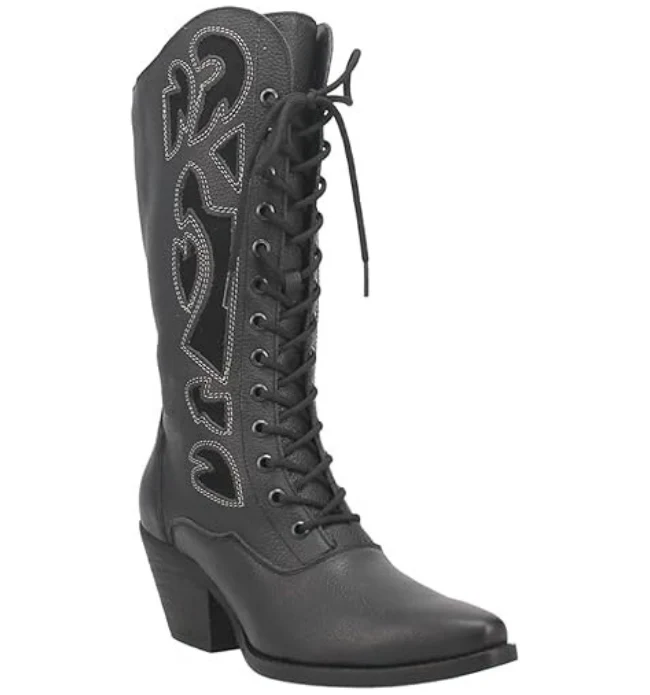
Western boots have moved far beyond ranch work and rodeo settings, becoming a practical footwear choice for travel, casual outfits, country events, and everyday wear. Women’s Western Boots are available in many toe shapes, heel heights, colours, and materials, allowing wearers to choose a pair that suits both their personal style and daily activities.
What Defines a Western Boot?
Western boots have several recognisable design features. Most include a raised shaft that covers the ankle and lower calf, pull tabs or loops near the top, a defined heel, and decorative stitching across the shaft.
Traditional Western boots were designed for riding. The heel helped keep the foot secure in a stirrup, while the smooth outsole made it easier to slide the foot in and out. Modern designs may still include these features, but many are made primarily for walking, work, fashion, or casual use.
Some styles closely follow classic cowboy boot construction, while others blend Western details with modern comfort features such as cushioned footbeds, flexible outsoles, side zips, and softer linings.
The best choice depends on how often the boots will be worn and whether they are intended for riding, work, special occasions, or everyday outfits.
Choosing the Right Toe Shape
Toe shape has a major effect on both appearance and fit. A style that looks attractive may not feel comfortable if it does not match the natural shape of the foot.
Round-toe boots offer a traditional look with moderate space across the front. They may suit women who want a classic design without an overly narrow toe area.
Square-toe boots provide more room across the forefoot and toes. They are often chosen for work, riding, and extended wear because the broader shape can feel less restrictive.
Pointed-toe and snip-toe boots create a dressier silhouette. These styles can work well with skirts, dresses, and fitted trousers, but they may feel narrow for people with wider feet.
Broad-square toes provide the greatest amount of front-foot room and are commonly seen in work-focused and riding boots.
Toe shape should be selected based on comfort as well as appearance. A narrow design should not force the toes together or create pressure along the sides of the foot.
Selecting a Suitable Heel Height
Western boots are available with several heel shapes and heights. Each type changes the way the boot feels while walking or standing.
Low walking heels are often the most practical choice for daily use. They provide a Western appearance while remaining stable on pavements, floors, and uneven ground.
Riding heels are usually taller and more angled. They are designed to help hold the foot in a stirrup and may not feel as comfortable for long periods of walking.
Fashion heels can be higher or narrower and are often chosen for concerts, dinners, parties, and other occasions where appearance is the main priority.
Women who spend long hours standing should consider heel stability, footbed cushioning, and outsole flexibility. A higher heel may place more pressure on the forefoot, while a very rigid sole can contribute to fatigue.
Getting the Fit Right
Western boots fit differently from trainers or lace-up shoes. A small amount of heel movement is normal when the boots are new because there are no laces holding the heel firmly in place.
The heel may lift slightly while walking, but it should not slide excessively. As the outsole begins to flex, this movement may reduce.
The instep should feel secure because this area helps keep the boot on the foot. It should feel snug without causing pain, numbness, or strong pressure.
Toes should rest naturally inside the boot without touching the front. The widest part of the foot should align with the widest part of the boot.
Width matters just as much as length. Women with wider feet should look for broad toe shapes or boots offered in multiple widths rather than buying a longer size.
Try the boots with the socks that will normally be worn. Thick boot socks can affect fit, while thin fashion socks may leave more room inside the shoe.
Materials and Construction
Leather is a common choice for Western boots because it can soften and gradually shape to the foot. Full-grain leather often develops character with wear, while smoother finished leather may be easier to polish and maintain.
Suede and nubuck offer a softer, more casual appearance but may require extra care around water, dirt, and stains.
Synthetic materials can provide a lower-maintenance choice and may be suitable for occasional wear. However, flexibility, breathability, and long-term durability differ between products.
The outsole should also match the intended use. Leather soles provide a traditional look and may suit dancing or riding, but they can be slippery on some surfaces. Rubber outsoles usually provide more grip and may be better for wet weather, work, or frequent walking.
Interior features such as cushioned insoles, moisture-managing linings, and removable footbeds can make a noticeable difference during extended wear.
Styling Western Boots
Western boots can be worn with much more than traditional country clothing. Their shape and detailing can add character to casual, work-inspired, and dressier outfits.
Straight-leg or bootcut jeans can be worn over the shaft for a classic look. Skinny jeans and leggings can be tucked inside to show the stitching and full shape of the boot.
Ankle-length dresses and flowing skirts pair well with mid-calf Western boots. Shorter dresses can work with taller shafts, while neutral leather shades provide a softer everyday appearance.
Black Western boots can pair with dark denim, fitted trousers, and simple dresses. Brown, tan, and distressed leather styles work well with blue denim, earthy colours, and casual layers.
For a balanced outfit, let the boots act as the main visual feature. Clothing with simple shapes and limited decorative detail can prevent the overall look from feeling too busy.
Caring for Western Boots
Regular care helps Western boots retain their shape and appearance. Remove loose dirt after each wear using a soft brush or dry cloth.
Leather boots should be cleaned with a product intended for the specific material. Conditioner can help prevent dryness, but too much may darken the leather or soften it excessively.
Suede and nubuck should be cleaned with a suitable brush and protective spray. These materials should not be treated with standard leather polish.
Wet boots should dry naturally away from direct heat. Radiators and hair dryers can cause leather to crack, shrink, or become stiff.
Boot trees or loosely packed paper can help maintain the shape of the shaft and absorb moisture. Storing boots upright also reduces creasing.
Women’s Western boots can provide comfort, personality, and practical wear when the toe shape, heel, fit, and construction suit the intended use. Visit BootsPlusMore to compare women’s Western footwear, available colours, materials, heel styles, and everyday boot options.